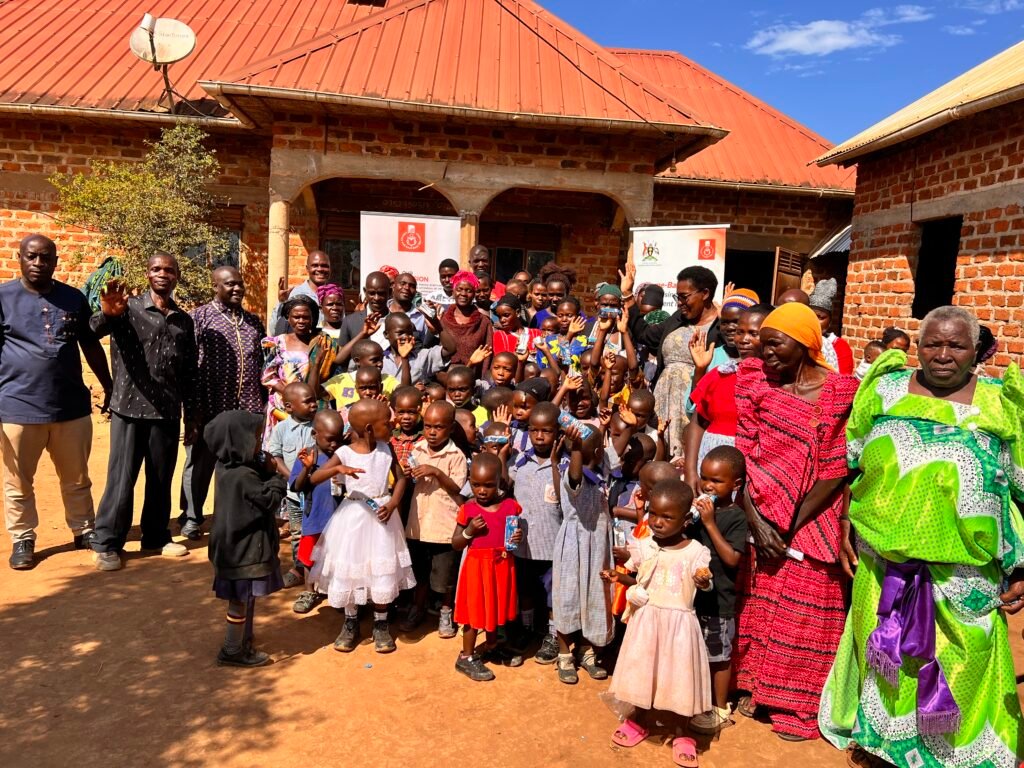
When Kalama Inclusive Home-Based Learning Centre adopted LABE Uganda‘s Home-Based Early Childhood Development (HBECD) Model in 2022, it started with just four children and a community determined to give its youngest members a better start in life. Today, the centre serves 43 children – 23 girls and 20 boys, including children with diverse learning needs, and has become a shining example of community ownership, inclusion, and sustainability in early childhood development.
Located in Kyamuliibwa Sub-county, Kalungu District, the centre has grown into a thriving learning space where children learn, play, and prepare for primary school. Through strong community participation, support from local government, and a growing commitment to sustainability, Kalama has demonstrated how the LABE HBECD Model can be adapted and sustained within local communities.
Since its establishment, the centre has achieved significant milestones through community initiative and strategic partnerships. What began as a modest community learning space has grown into a centre with five classrooms, all constructed through a combination of community contributions and support from partners. The centre has also mobilised support from well-wishers, including Kalama Elite, which donated slates to support children’s learning.
A Community Responsibility
At the heart of the centre’s success is a shared belief that children’s learning is everyone’s responsibility.
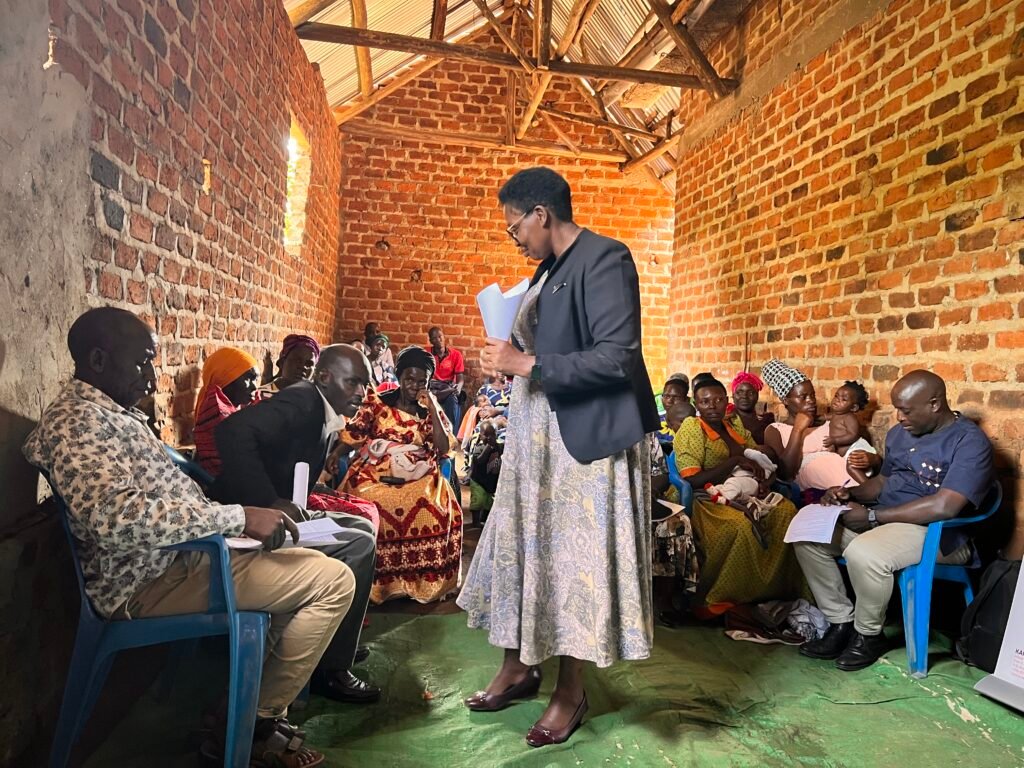
“Our children belong to the community, and we are supposed to raise them to be disciplined,” said one parent during a community dialogue. “We should be united in raising and disciplining our children.”
Community ownership has been key to the centre’s growth. Parents and caregivers contribute their time, labour, money, and ideas to support the learning centre, while the local and district leadership continue to provide guidance and encouragement. Parents actively participate in community meetings, contribute labour towards infrastructure development, support the establishment and maintenance of the coffee plantation, and mobilise resources to support children’s learning and the centre’s sustainability.
During a recent learning and documentation visit by LABE Uganda, officials from Kalungu District Local Government commended the centre for its contribution to expanding access to early childhood development services in the district.
Building Strong Foundations for School
The centre’s impact is already being felt beyond its compound. Parents spoke proudly about children who have successfully transitioned to primary school after attending the centre.
“My children left this place and passed interviews for primary school,” one parent shared. “The foundation they received here helped them become confident and ready for primary school.”
Since its establishment in 2022, the centre has supported 49 children to successfully transition to primary education, including 29 girls and 20 boys. Of these, seven are children with disabilities. Thirty-four children have progressed to primary schools within the community, while fifteen were retained and are currently enrolled in the centre’s early primary section, which caters for Primary One and Primary Two learners.
These achievements demonstrate the critical role community-based early childhood development services play in preparing children for a successful transition into formal education.
Growing Sustainability Through Coffee
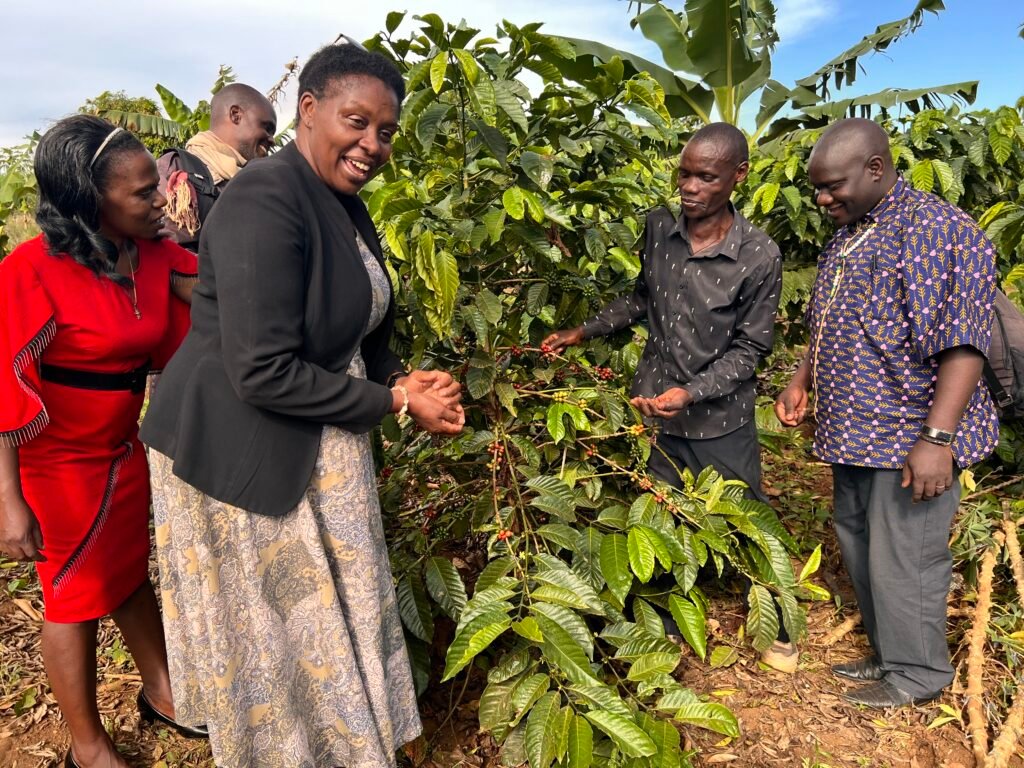
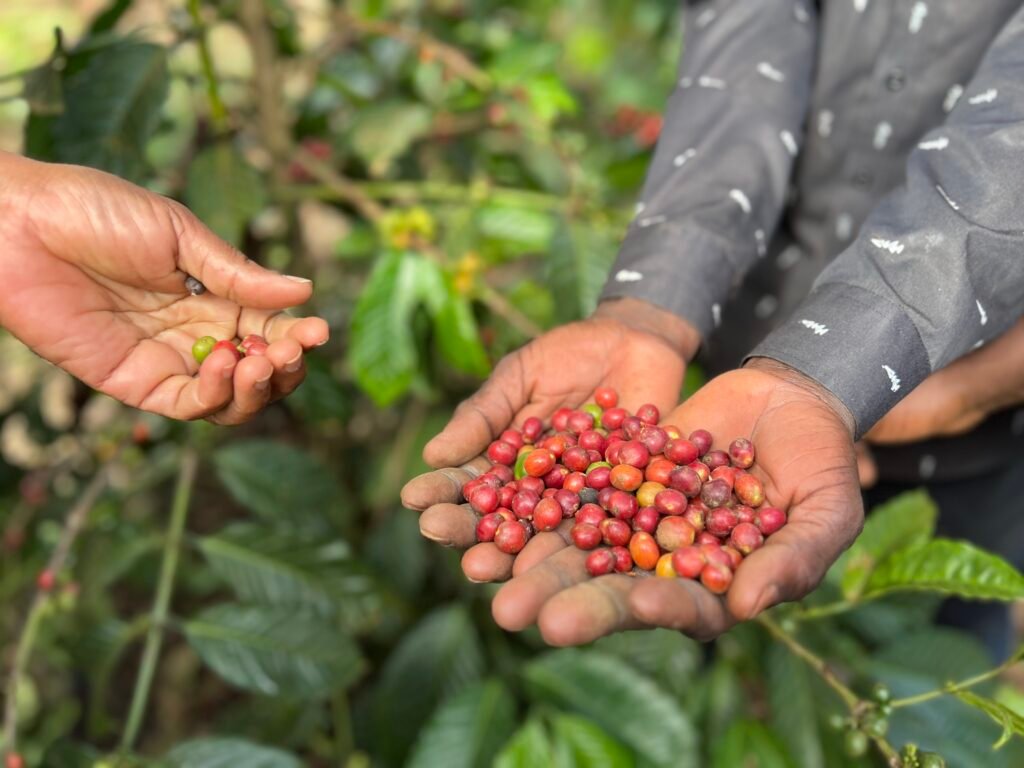
One of the most remarkable achievements at Kalama is its community coffee project. Established as a sustainability initiative, the project currently comprises approximately 700 coffee plants and is expected to generate income that will support the centre’s operations in the years ahead.
The project was made possible through a combination of community commitment and partner support. The land on which the coffee is planted was donated by the centre’s homeowner and proprietor, Nyombi David, while LABE Uganda provided funding to purchase coffee seedlings. Community members contributed labour to establish and maintain the plantation, demonstrating a shared commitment to securing the centre’s future.
The project reflects a growing understanding among community members that quality early childhood development services require long-term local investment and ownership. Beyond generating income, the coffee plantation has become a symbol of collective responsibility and a shared commitment to sustaining children’s learning opportunities.
“We are grateful to LABE, Kyambogo University, and Sense International Uganda for all the support they have provided towards the growth of this centre,” said Nyombi. “We also appreciate Kalungu District Local Government for their guidance and contribution in helping us grow. What we have achieved today has been possible because many people have believed in this centre and supported our vision.”
Once the coffee matures and begins generating significant income, the proceeds will support the centre’s operations and contribute to its long-term sustainability, reducing reliance on external support and strengthening community ownership.
Partnerships That Make a Difference
For Nyombi David, the centre’s progress is the result of collective effort and strong partnerships.
“We are grateful to LABE, Kyambogo University, Sense International Uganda, and other partners for all the support they have provided towards the growth of this centre,” he said. “We also appreciate Kalungu District Local Government for their guidance and contribution in helping us grow. What we have achieved today has been possible because many people have believed in this centre and supported our vision.”
The centre’s ability to mobilise support from a variety of partners and well-wishers has contributed significantly to its growth. Beyond support received from development partners, the community continues to identify opportunities for local fundraising and resource mobilisation to address priority needs, particularly in water, sanitation, and hygiene (WASH). This spirit of self-help and collective action continues to strengthen the centre’s sustainability and resilience.
The centre’s inclusive approach has also attracted recognition from district officials. By creating opportunities for children with different learning needs to learn alongside their peers, Kalama is helping to demonstrate that every child can thrive when given the right support.
Looking Ahead
As Kalama Inclusive Home-Based Learning Centre continues to grow, its story offers an important lesson: sustainable early childhood development is not built by organisations alone. It is built by communities that come together around a shared commitment to give their children the best possible start in life.
From four children to 43. From a simple learning space to a centre supported by parents, leaders, development partners, and a thriving coffee project, Kalama’s journey demonstrates the transformative power of community ownership and collective action in shaping brighter futures for young children.