LABE completes district-level gender capacity-strengthening training across seven districts
How can gender inequalities be addressed not only in policies and programmes, but also in everyday decisions at home, in schools and within communities?
This question was central to the district-level gender capacity-strengthening training conducted by Literacy and Adult Basic Education (LABE), which brought together LABE staff and district officials across seven districts: Koboko, Terego, Yumbe, Obongi, Adjumani, Gulu and Nwoya in three clusters.
The training aimed to strengthen participants’ understanding of gender equality and build practical skills for integrating gender-transformative approaches into education, district planning and community programming. It also prepared participants to take the learning further through school-level cascade training involving teachers, school leaders, School Management Committees and other education stakeholders.
Plan International Uganda provided technical and logistical support, with LABE coordinating implementation.
Koboko: Moving from gender awareness to practical action
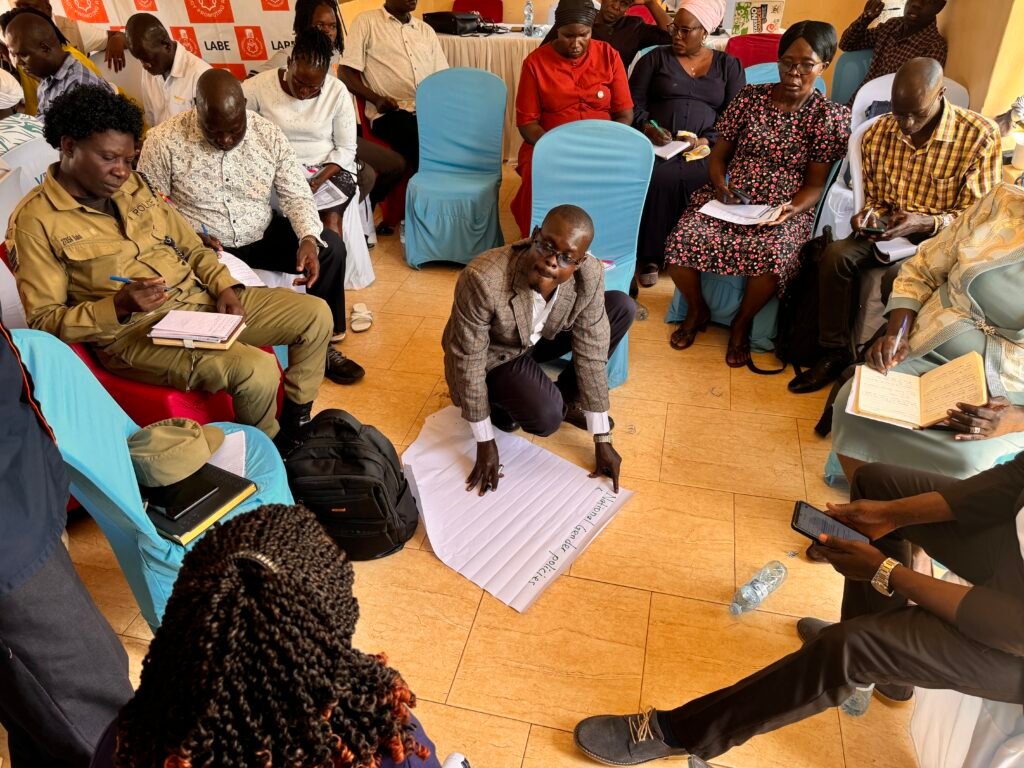
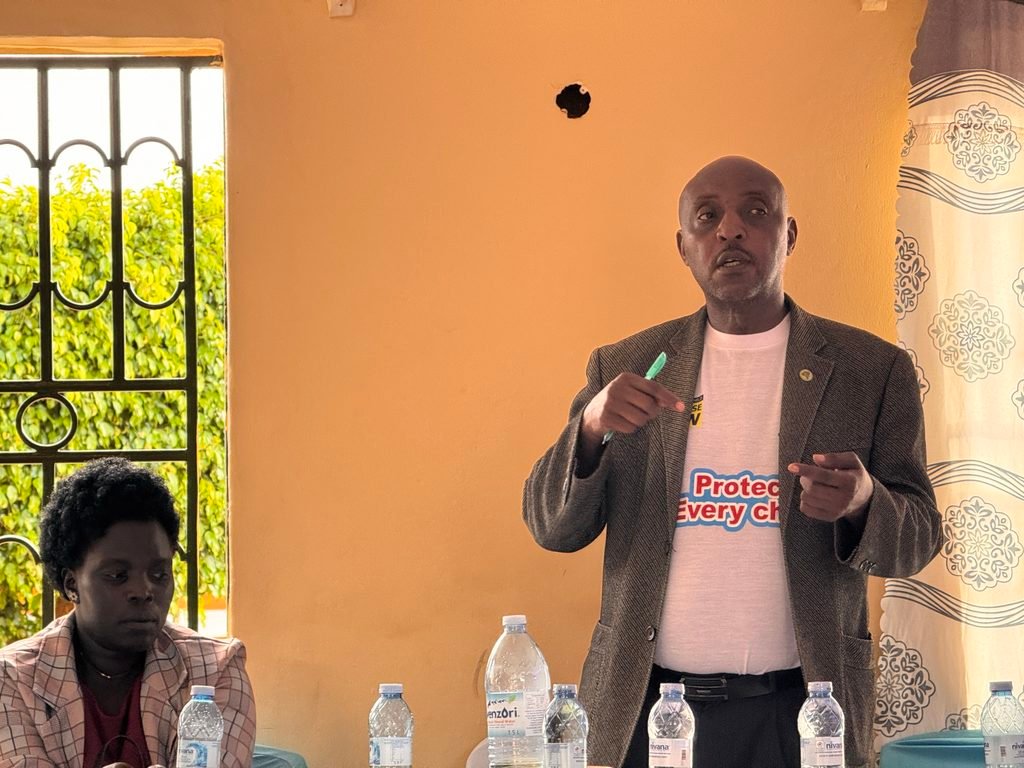
The first cluster, held in Koboko on 5th October 2026, brought together participants from Koboko, Yumbe and Terego districts. Rita Harriet, Koboko District Principal Education Officer, officially opened the training and highlighted the need for greater gender awareness within communities.
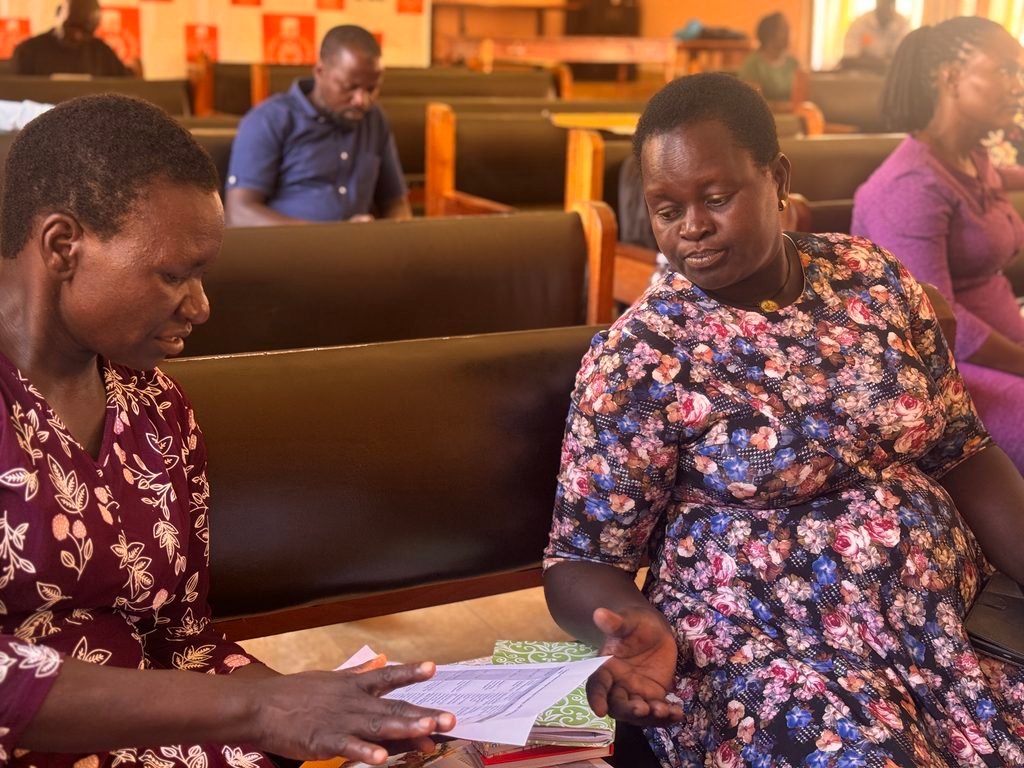
Participants explored the differences between sex and gender, how social and cultural norms influence gender roles, and how unequal power relations affect access to resources, responsibilities, and decision-making.
The discussions emphasised that understanding gender inequalities is only the starting point. Participants were encouraged to identify and address these inequalities in their respective departments and communities.
Practical topics included gender analysis, gender-responsive budgeting, gender monitoring, and the gender continuum, which examines different approaches to responding to gender inequalities. Participants also explored gender-transformative programming, including the importance of addressing harmful norms and unequal power relations rather than focusing only on immediate gender gaps.
The session concluded with a commitment exercise in which district participants documented actions they would take to address gender inequality within their departments. In his closing remarks, Samuel Mpimbaza Hashaka, the Koboko Resident District Commissioner, encouraged participants to conduct awareness campaigns to sensitise young people and their parents about gender inequalities in the West Nile region.
Obongi: Taking the learning back to communities
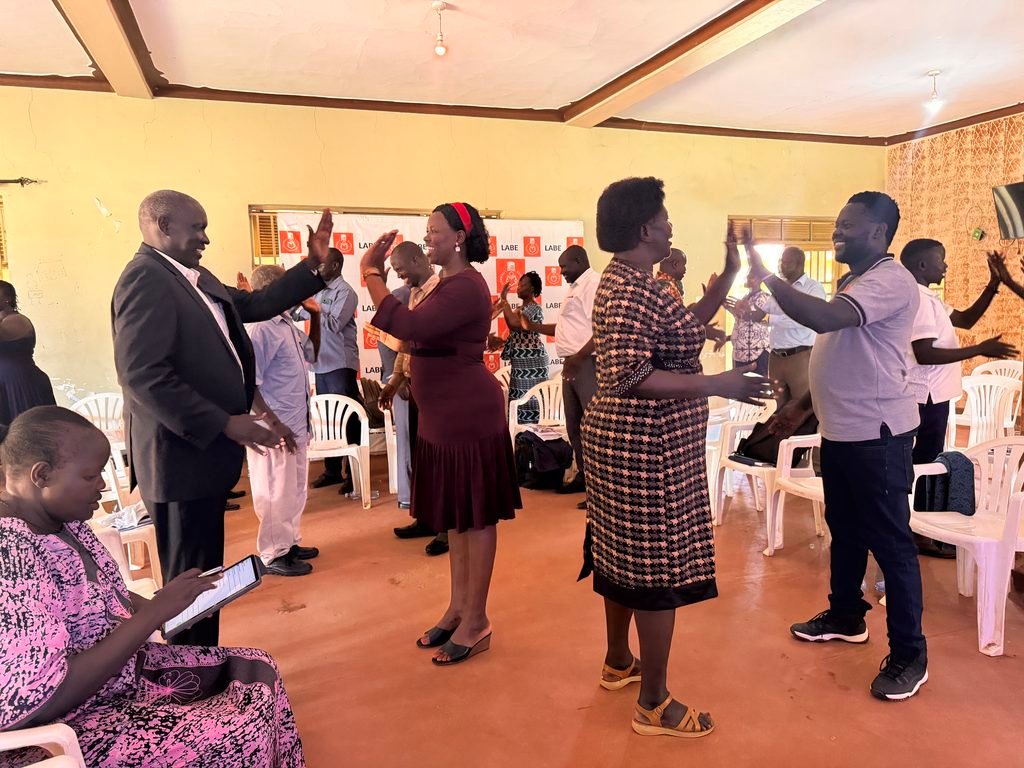
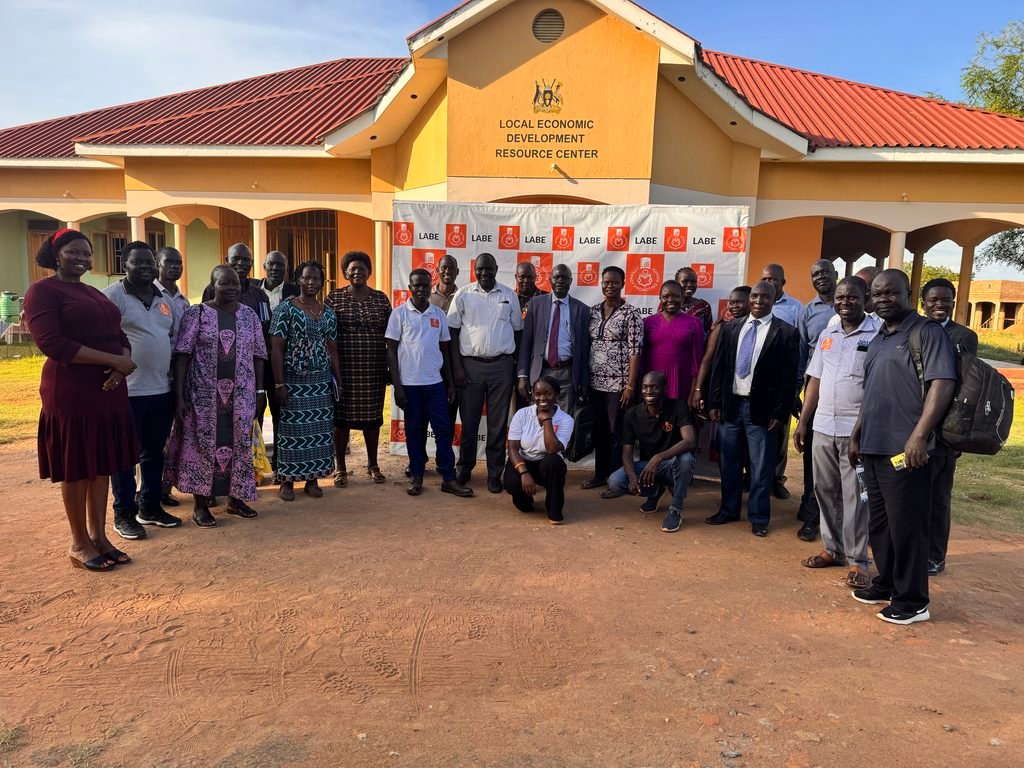
The second cluster engaged LABE staff and district officials from Obongi and Adjumani. A key message from the engagement was that participants are responsible for sharing the knowledge gained beyond the training setting.
Muwereza Julius John, Settlement Commandant at Palorinya Refugee Settlement in Obongi, welcomed the engagement and emphasised the importance of education and community-level follow-up.
“I am very happy that LABE has organised this engagement. Education is key and I urge you, as trainers of trainers to act as ambassadors take this knowledge to the communities, and assess the results over time.”
His message reinforced a key aspect of the training: capacity-building is not an end in itself. The value of the engagement lies in how participants apply the knowledge, share it with others, and contribute to addressing gender inequalities in their areas of work.
As the training moves to the school-level cascade, district officials and LABE teams are expected to extend gender-transformative learning to teachers, school leaders, School Management Committees, and other education stakeholders.
Gulu: Understanding relationships, attitudes and behaviour
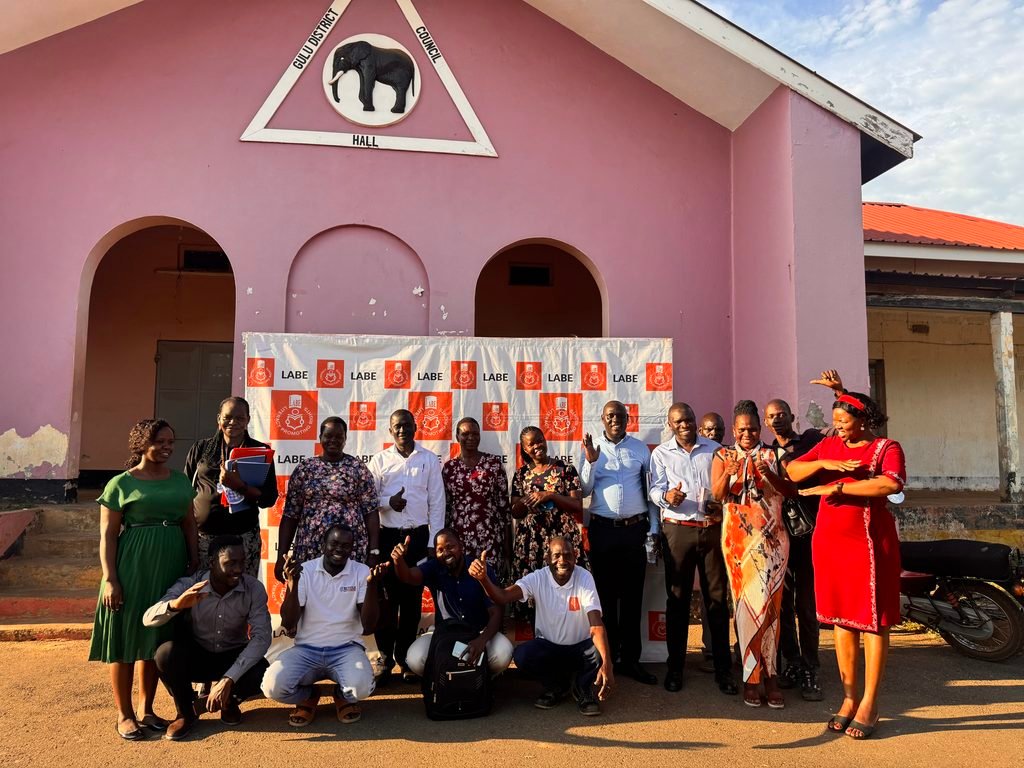
The third and final cluster brought together LABE staff and district officials from Gulu and Nwoya.
The discussions highlighted the role of positive relationships in promoting gender equality. Participants identified effective communication, mutual respect, joint decision-making, and fairly shared household responsibilities as important considerations in family and community life.
The discussions also examined challenges that can arise when communication breaks down, decisions are made unilaterally, or responsibilities are unfairly distributed. Participants explored how attitudes and past experiences shape behaviour, including beliefs about gender roles and relationship expectations.
The notes also captured discussions on different feminist perspectives, pressure and domestic challenges, and their possible effects on wellbeing. These themes highlighted the importance of examining the social structures, beliefs, and power imbalances that can contribute to gender inequality.
The Gulu engagement completed the district-level training phase, bringing the three-cluster process to a close.
Taking the learning forward
Across the three clusters, the training provided an opportunity to examine gender inequality from different perspectives, including district service delivery, household relationships, education, and community participation.
The next step is to translate the learning into practical action through school-level cascade training. District teams are expected to develop action plans to guide this process and extend the training to teachers, school leaders, School Management Committees and other school-level actors.
For LABE, strengthening gender-transformative programming is closely linked to its work with families, schools, communities and local governments to promote literacy and inclusive education, particularly among women, children and underserved groups.
Continued engagement with district officials, LABE teams and school-level stakeholders will be key to moving these discussions beyond training sessions and into everyday practices that shape learning opportunities and community life.