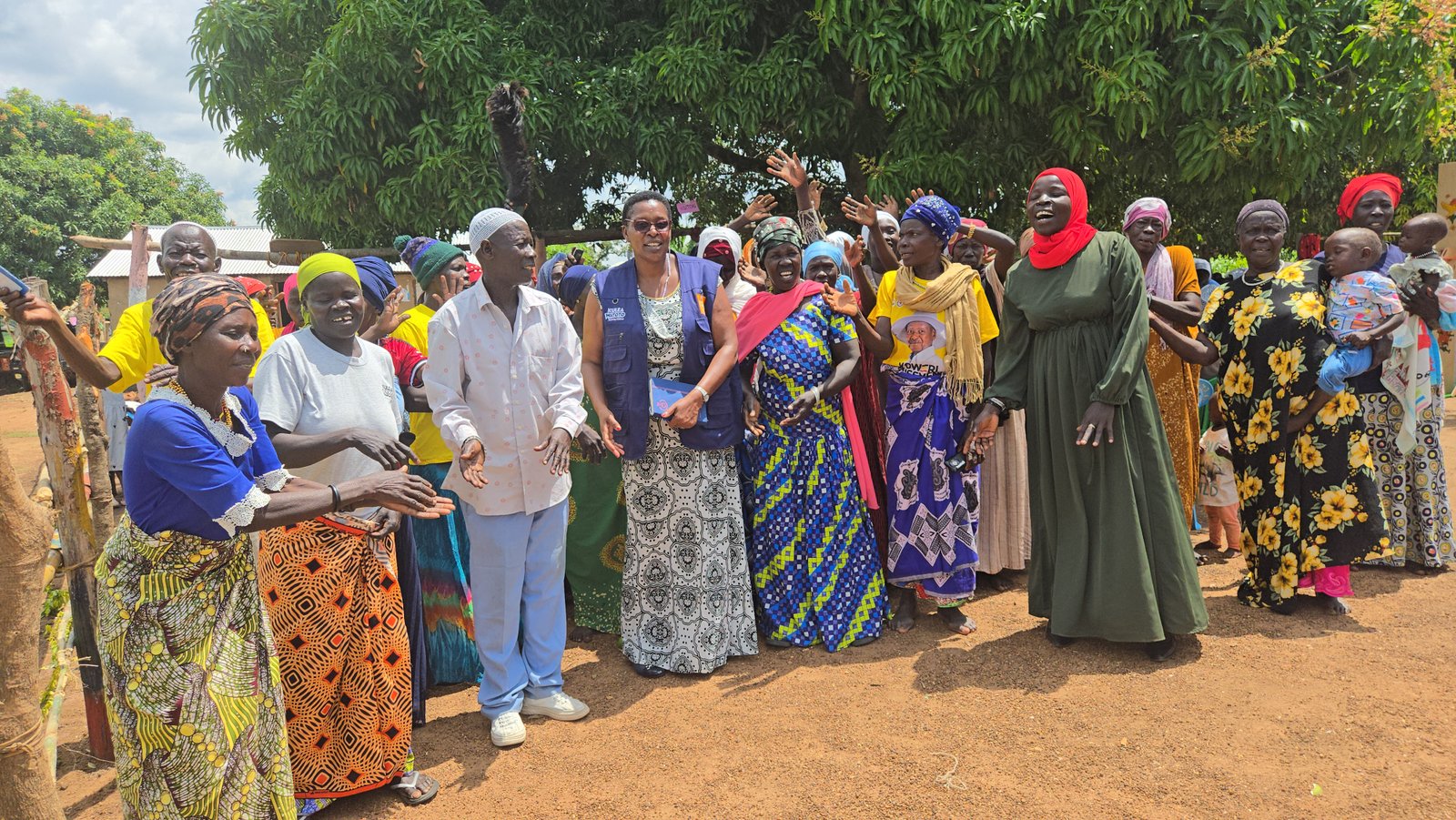
LABE’s Home Learning Centres (HLCs) increasingly serve as key links between communities and essential health services, helping children and their families access support closer to home.
Through collaboration with District Health Departments and nearby health facilities, HLCs are helping connect families to services such as immunisation, growth monitoring, health screening, and information on antenatal care (ANC). This community-based approach is particularly valuable for families who may face challenges travelling long distances to health facilities.
From 28th September to 2nd October 2026, LABE’s Executive Director, together with officials from the Ministry of Health, visited West Nile to assess ongoing collaboration with district health structures and explore opportunities to strengthen the integration of health services into community-based early childhood care and education.
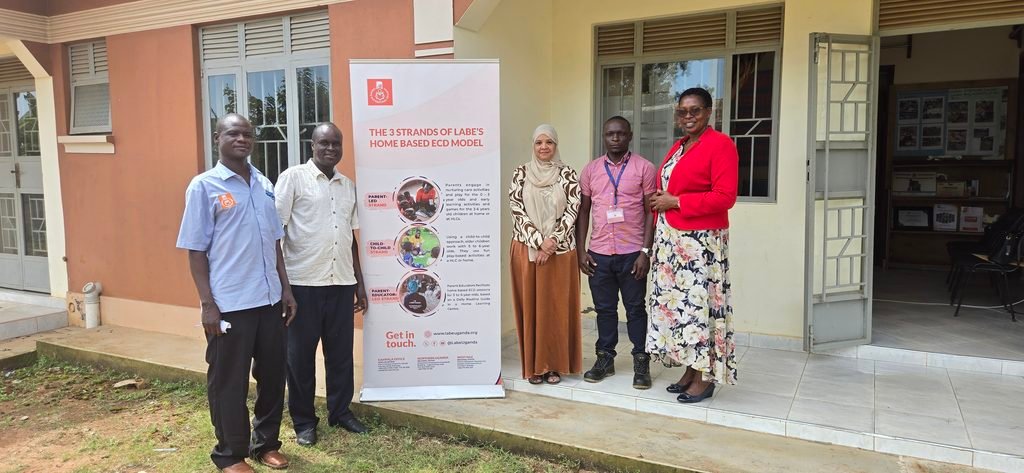
The team visited Miruta and Mangulu HLCs in Koboko District, as well as Alobajiako and Ejiovu HLCs in Terego District. During the visits, they observed measles-rubella vaccination activities conducted at the centres as part of Uganda’s nationwide Measles-Rubella Vaccination Campaign, held from 1st to 5th October 2026. Led by the Ministry of Health, the campaign targeted children aged 9 to 59 months to strengthen protection against the two diseases. The team also interacted with parents and caregivers and observed parenting sessions at the HLCs in Terego, gaining insights into how the centres support families beyond children’s early learning needs.
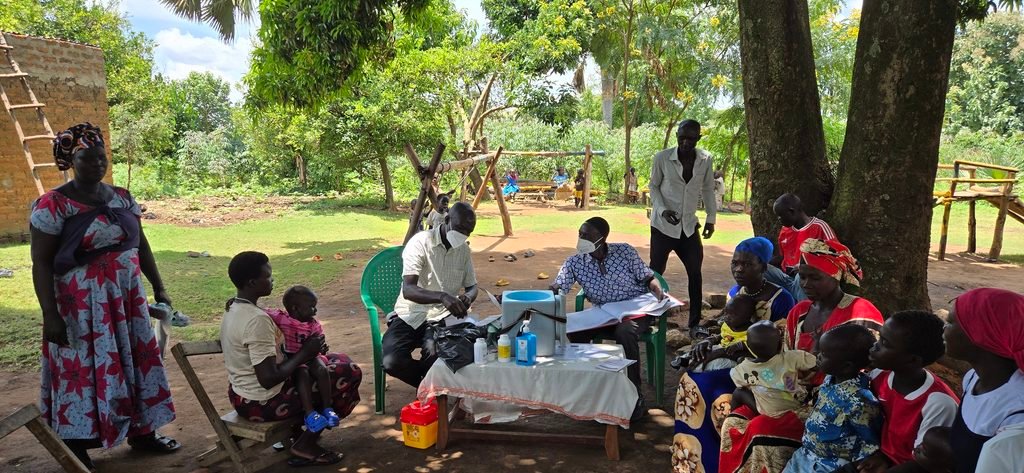
The visit also included engagements at Lurujo Health Centre II in Lobule Subcounty, Koboko District; Itia Health Centre II in Katrini Subcounty; and Omugo Health Centre IV in Omugo Subcounty, Terego District. These engagements provided an opportunity to better understand the linkages between HLCs and nearby health facilities in extending essential services to communities.
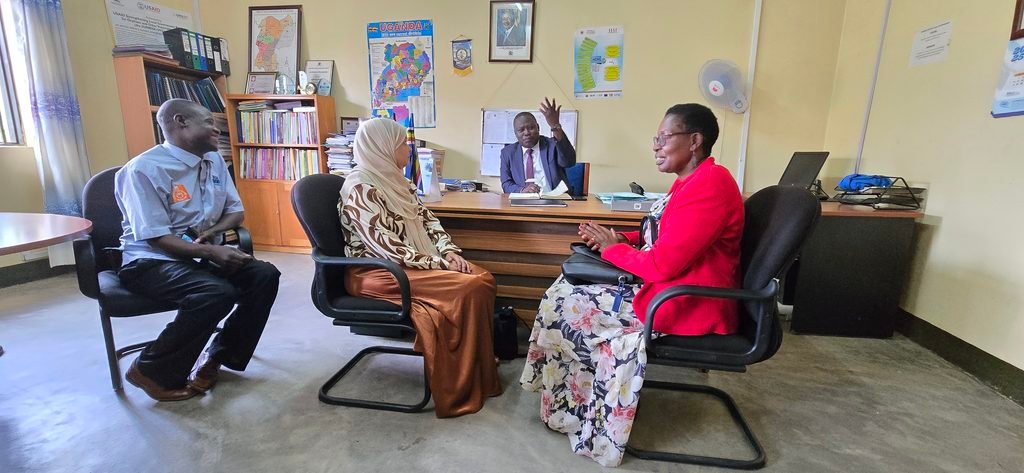
During an engagement at the District Health Office in Koboko, Dr. Lokwang Paul Max, the District Health Officer (DHO), highlighted HLCs’ contribution to the district’s efforts to reach more children with essential health services. According to the DHO, working through HLCs has enabled health teams to reach more children than before, improving service coverage and reporting.
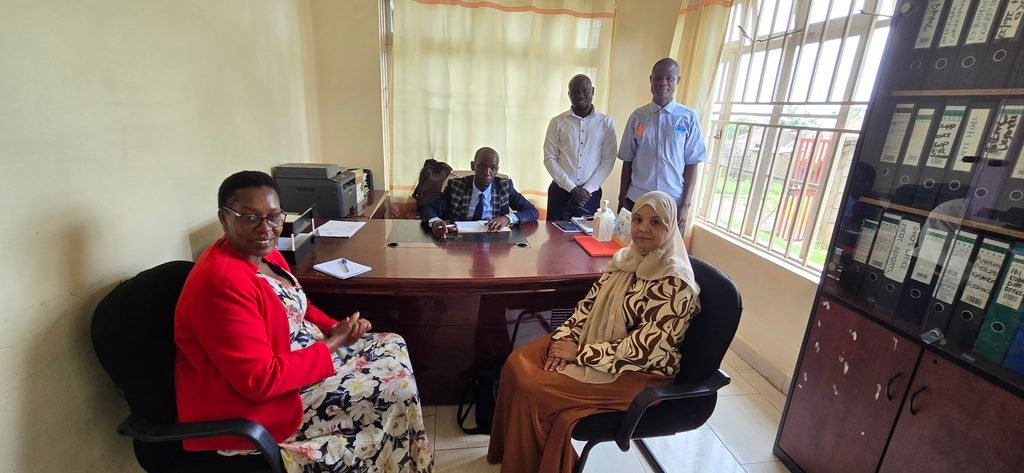
Dr Eisha Grant, a Technical Advisor on Early Childhood Development from the Ministry of Health, commended LABE’s community-level interventions, noting that they have contributed to improvements reflected in the districts’ health data. She recommended that LABE work with district health teams to undertake a district-led case study documenting the changes observed through the collaboration. Such documentation would help demonstrate how community-based approaches strengthen health service delivery.
The HLCs provide an established community platform that lets health workers reach children and caregivers more efficiently. This is especially important in communities where grandmothers and other caregivers provide much of the day-to-day care of young children, for whom distance and other barriers may make regular visits to health facilities difficult.
By bringing services closer to families, the partnership is helping reduce these barriers while strengthening connections between communities and the formal health system.
The approach also demonstrates the importance of integrating health and early childhood care and education. Children’s ability to learn and thrive is closely connected to their health, nutrition, and overall wellbeing. Linking health services with HLCs therefore creates opportunities to respond to these needs alongside early learning and caregiver support.
As these partnerships grow, HLCs are demonstrating their potential to serve not only as spaces for early learning, but also as community platforms that connect children and families to services that support them to grow, learn, and thrive.