Social-emotional learning (SEL) is a critical foundation for positive parenting and early childhood development. By helping caregivers recognise and manage their own emotions, SEL builds the conditions in which children feel safe, seen, and supported.
Life in a refugee settlement is shaped by resilience, but also by daily pressures. In a community where families face displacement, limited resources, and ongoing uncertainty, stress can easily spill over into homes and relationships. The weight of these realities, often invisible to the outside world, is felt most acutely within families.
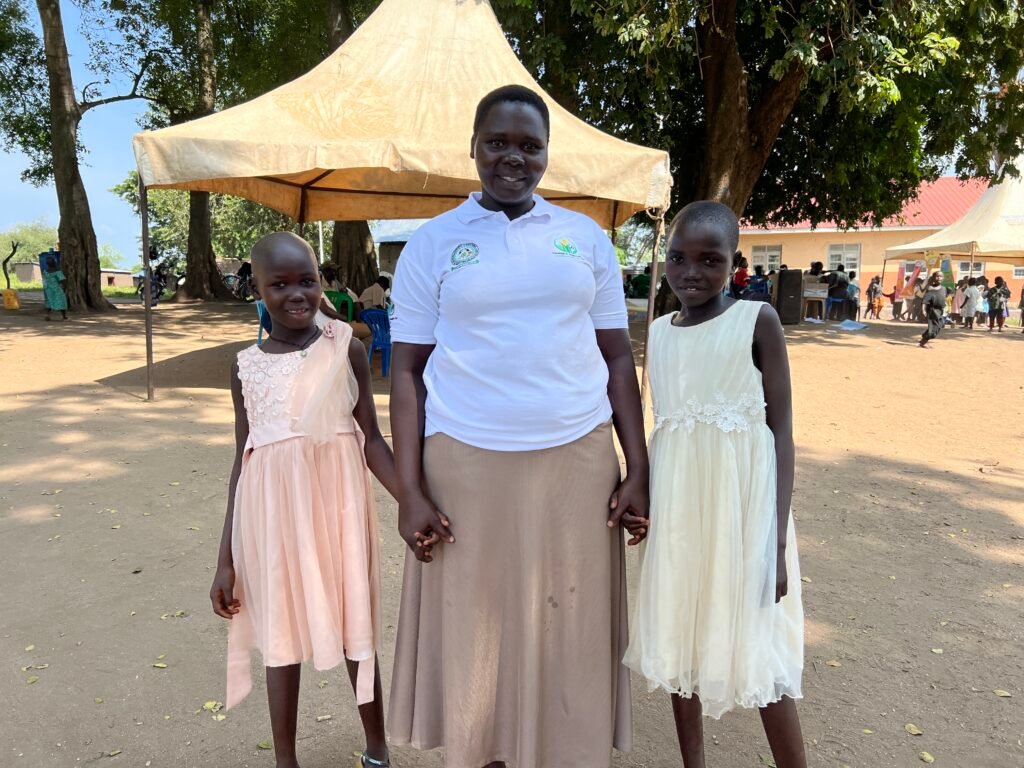
For Poni Betty (29), a mother of three from New Nation Home Learning Centre (HLC) in Palorinya Refugee Settlement, parenting once felt overwhelming. Like many parents in her community, moments of stress often affected family life, shaping how parents and children related to one another. Small tensions could grow quickly, and the tools to manage them were not always within reach.
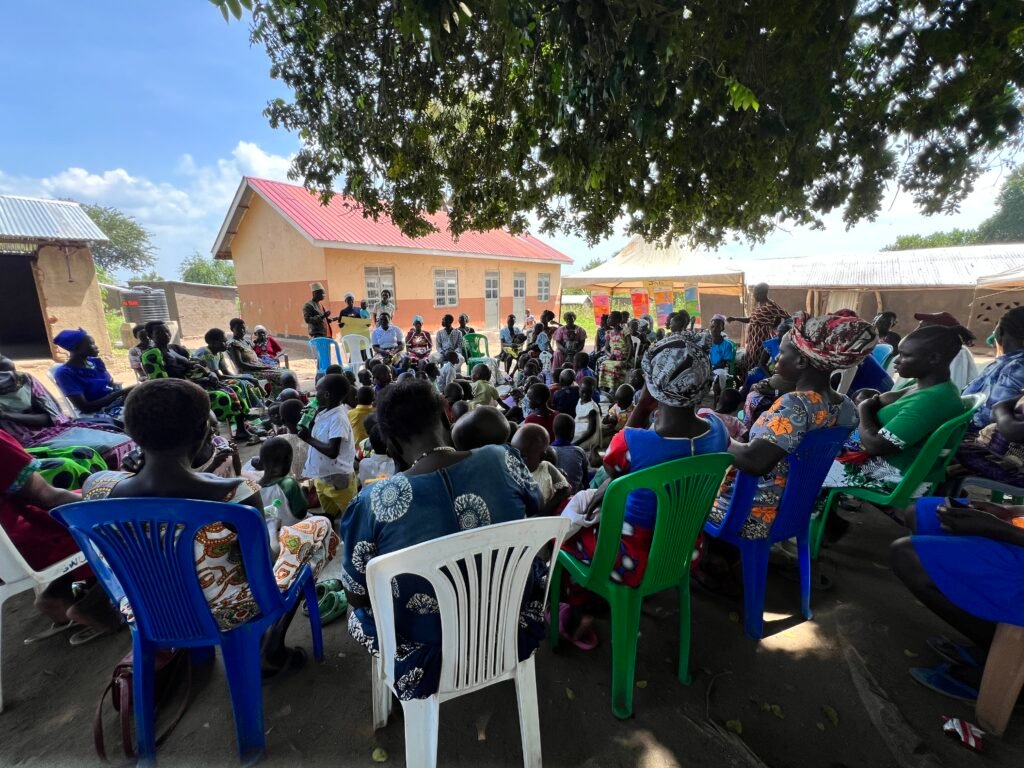
That began to change through the Welcome Sesame Project, implemented by LABE in partnership with Sesame Workshop. Through structured SEL sessions, parents were supported to understand their emotions, communicate calmly, and respond to challenges with care rather than anger. The sessions created a safe space for honest reflection and practical skill-building.
“Now we can understand one another and control our emotions,” Betty shares. “There is a better connection between parents and children in all aspects of life.”
Beyond the home, the impact has rippled through the community. Parents have gained problem-solving and conflict-resolution skills, helping families and communities resolve disagreements peacefully. Story-sharing activities have also strengthened children’s understanding of their cultural roots, enabling them to talk proudly about their family histories and feel a deeper sense of belonging.
Inspired by her own growth, Betty now supports other parents within her community to build healthier relationships with their children. Her willingness to share what she has learned reflects the wider spirit of the programme, that change, once experienced, is meant to be passed on.
“I have seen a great change in my community,” she says.
Through SEL, families are creating safer, more nurturing environments where children can learn, grow, and thrive together.